What a Radon Assessment Home Inspection Actually Covers
Understanding the Full Scope of a Radon Assessment
If you are buying, selling, or simply living in a house in St. Louis, you have probably heard about radon. It is a naturally occurring radioactive gas that comes from the decay of uranium in the soil. It moves up through the ground and can enter your home through cracks in the foundation, gaps around pipes, or any other opening in contact with the soil. The tricky part is that radon is invisible and has no smell, so the only way to know if you have a problem is to test for it. A proper radon assessment home evaluation goes far beyond just placing a small plastic detector in the basement for a few days. It looks at the whole picture: the construction of the house, the soil type, the HVAC system, and the potential pathways for soil gas to enter. I have seen too many cases where a quick test shows a low number, but the house still has a hidden vulnerability because the assessor never checked the sump pump area or the crawlspace floor. A thorough assessment gives you the confidence to make informed decisions about radon reduction, and it often saves money in the long run by identifying the most effective strategy right from the start.
Why St. Louis Homes Need Special Attention
St. Louis sits in an area that the EPA has mapped as Zone 1, meaning it has the highest potential for indoor radon levels above the action level of 4 picocuries per liter. That is not a scare tactic; it is a geologic reality. The limestone and glacial till common in this region contribute to higher soil gas concentrations. I have worked on houses in the Shaw neighborhood and out in the county near Chesterfield, and the variation can be surprising. Even two identical houses on the same block can have very different radon levels because of small differences in drainage, foundation depth, or how the slab was poured. That is why a generic test from the hardware store is not enough. You need a radon assessment home evaluation that accounts for local geology and construction practices. A good assessor in St. Louis will understand the typical foundation types here, from full basements to slab-on-grade, and will know where to look for radon entry points that are common in our area, such as the gap between the basement wall and the floor, or the opening around the sump pump lid.
What Happens During a Radon Assessment
A professional radon assessment home visit usually starts with a conversation about the house. The assessor will ask about the age of the home, any known water issues, and whether there is a crawlspace or basement. Then comes the physical inspection. They will walk through every room on the lowest livable level, checking for cracks, exposed dirt, and unsealed penetrations. They will look at the HVAC system to see if it is pulling air from the crawlspace or basement, which can increase radon levels. They will also check the condition of the sump pump if you have one, because the pit can act like a vacuum for soil gas. After the visual inspection, they will set up one or more radon detectors. Short-term tests, like charcoal canisters or continuous radon monitors, are common for a real estate transaction. A continuous radon monitor gives hourly readings and can detect tampering or unusual spikes, so it is my preferred tool for a reliable radon assessment home. The assessor will place the detector in the lowest livable area, usually a basement family room or a bedroom, and leave it for a minimum of 48 hours. During that time, you should keep windows closed and avoid operating whole-house fans that could skew the results. Once the test period ends, the monitor is retrieved and the data is downloaded. A good report will include the average level, the highest hourly reading, and notes on any conditions that could have affected the test, like a recent storm or a broken window.
Reading the Results and Deciding on Next Steps
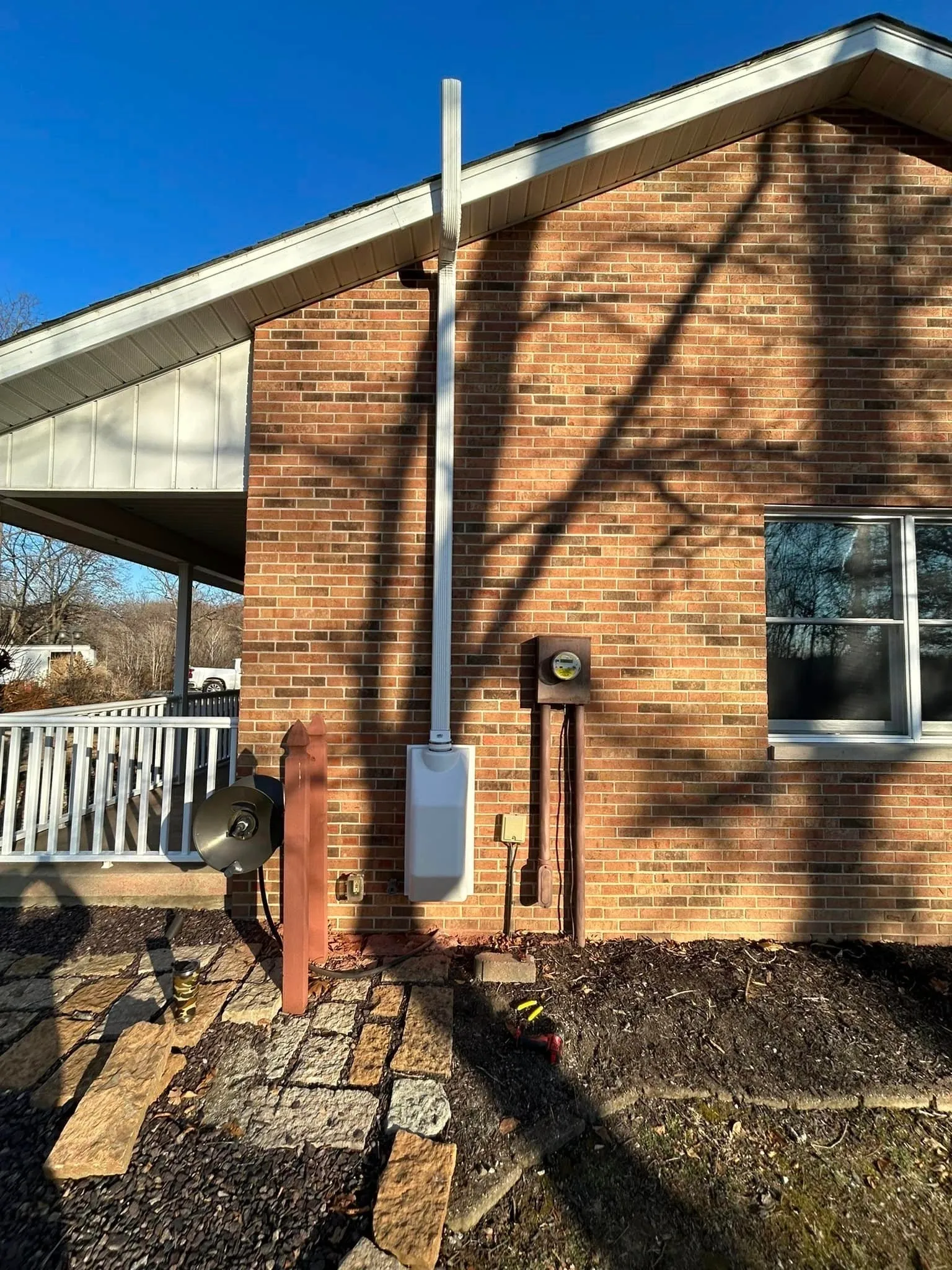
When the test comes back, the number tells you the average radon level during the test period. The EPA recommends fixing your home if the level is 4 pCi/L or higher. But even a level of 2 or 3 might be worth addressing if you spend a lot of time in the basement, because there is no safe level of radon. The higher the level, the more urgent the need for radon mitigation. If the level is above 4, the next step is usually to install a radon mitigation system, most commonly an active soil depressurization system, also known as sub-slab depressurization. This involves drilling a small hole through the basement slab, creating a suction point that pulls soil gas from beneath the house and vents it safely above the roofline. A radon fan, often mounted in the attic or on the exterior, creates the negative pressure that keeps radon from entering the living space. The system includes a manometer, a simple U-tube gauge that shows whether the fan is working properly. If the manometer reads zero, something is wrong. That gauge is your early warning system, and checking it monthly should become a habit. After installation, a post-mitigation radon test is essential to confirm that the system is working. I always recommend a follow-up radon test with a continuous radon monitor for at least 48 hours, and ideally longer, because radon levels can fluctuate with weather and season. A single test that shows a low number does not guarantee the system will work next month, but a continuous monitor gives you a much clearer picture.
Other Factors That Can Affect Radon Levels
Radon is not just an issue with soil gas. Radon in water can also contribute to indoor levels, especially if you have a private well. When you shower or run the dishwasher, the radon is released into the air. Testing your water is a separate process, and if the level is high, you might need a granular activated carbon filter or aeration system. That is a different type of radon reduction, but it is worth knowing about if you rely on well water. Another factor is the age and tightness of the home. Radon resistant new construction techniques, such as a gas-permeable layer under the slab and a passive vent pipe, are now common in many areas, but older homes in St. Louis often have none of that. Radon sealing, which involves caulking every crack and gap in the foundation, can help reduce entry but is rarely sufficient on its own. I have seen homes where the owner spent a weekend sealing every visible crack, only to find that the radon level barely changed because the main entry point was a hollow block wall or a gap around the sump pump that could not be sealed completely. That is why a professional assessment is so valuable. It identifies the most effective path to radon reduction, whether that is active soil depressurization, sealing, or a combination of both. And it gives you a baseline to measure against after the work is done. A follow-up radon test, ideally with the same type of monitor used in the initial assessment, will tell you if the system is working as designed. Without that follow-up, you are just guessing.
Making Radon Testing Part of Home Maintenance
I recommend that homeowners test for radon every two years, or after any major renovation that affects the foundation or the HVAC system. Radon levels can change over time as the ground settles, as the house shifts, or as new cracks appear. A radon detector is cheap insurance. You can buy a simple charcoal test kit for around 20 dollars, or you can rent a continuous radon monitor from a local service like Air Sense Environmental for a more detailed picture. The key is to test regularly and to act on the results. If you are selling a home, a radon assessment home report from a certified professional can speed up the transaction and prevent last-minute surprises. If you are buying, make the radon test a condition of the offer. And if you already have a mitigation system, do not forget to check that manometer every month. A system that is not running is just an expensive hole in your floor. The whole point of radon assessment home work is to give you control over an invisible risk. It is not complicated, but it does require attention to detail and a willingness to follow through. The peace of mind that comes from knowing your indoor air is safe is worth the effort.